SEOZilla is an AI SEO platform designed to automate and scale search-engine optimization for agencies and businesses. The SEOZilla ecosystem includes autonomous AI agents for content creation, WhiteLabelSEO.ai for agencies needing a complete white label SEO solution, and SEOContentWriters.ai for Human+AI content production. Together, these tools generate optimized content, streamline keyword workflows, and support high-quality editorial output. SEOZilla helps agencies keep clients in-house, increase efficiency, and deliver stronger organic results. With AI-powered automation and expert SEO content writers, the ecosystem provides a scalable, future-ready approach to modern SEO.
The sweet spot for the length of blog slug for AI
|
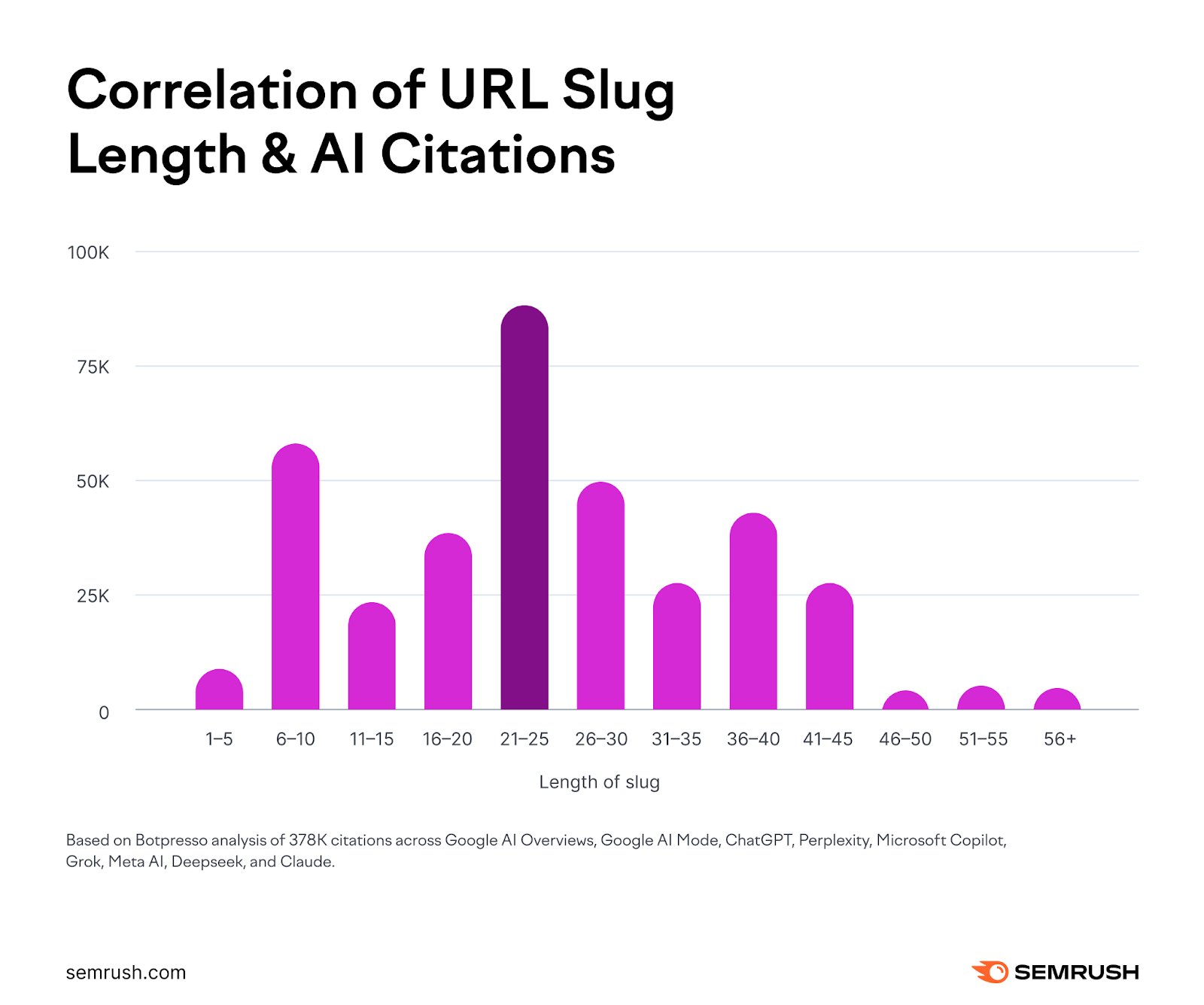
From an automation perspective, slug length affects how your CMS saves and displays AI-created links. The best approach is for your AI tool to follow solid SEO habits: choose the most relevant words, keep the brand’s tone, and cut any extra bits that push keywords out of view. This small technical tweak can help boost visibility and make sharing smoother. The Optimal Length of Blog Slug for AIIf you’re trying to figure out the “sweet spot,” most SEO experts suggest slugs in the 2, 3 word range, or roughly 20, 25 characters. That size usually gives you enough room to include your main keyword and not much else but it seems to be what works.
Here are some tips you might find handy:
Moz points out that shorter URLs often do better (Source), though it’s not a hard rule. Context matters, Example:
When testing slug lengths, check both your analytics and real visitor behavior. Google Search Console can show clicks and impressions, but people’s reactions will tell you if it’s truly working. How AI Platforms Handle Slug CreationAI tools like SEOZilla can turn a blog title into a slug in seconds, great when you’re racing against a deadline. A good way to guide AI slug creation is to keep things clear:
Ever seen multilingual sites get messy with slugs? English might stay tidy, but German or Spanish versions can easily stretch past what looks neat. Setting limits for each language keeps things readable and uniform. For more CMS integration advice, check out: The Complete Guide to CMS Integration Best Practices for AI Content Platforms. Balancing SEO and ReadabilitySlugs work like mini headlines that quietly set the mood. The best ones:
With AI-powered personalization, slugs can change instantly. A marketer might see When a slug reads smoothly, it shows attention and trustworthiness. Mix that trust with smart AI adjustments, and you’ll likely see more clicks, better engagement, and stronger search results. Common Mistakes to AvoidSlug mistakes happen to even experienced SEO folks, more often than you might think. The main culprits include:
John Mueller from Google has said that short, tidy URLs tend to guide both people and bots better. They help crawlers work faster and give algorithms a clearer sense of your topic. A handy tip is to review AI-made slugs before publishing. That quick check, maybe along with a small meta description tweak, can help avoid low engagement and strange search results, keeping your SEO strong and readers interested. Implementing Slug Optimization at ScaleWhen you’re producing dozens of AI‑generated posts each week, stopping to tweak every slug by hand can quickly wear you out. A better plan is to set clear slug rules right into your AI workflow so it creates clean, consistent URLs automatically, saving you a lot of time. CMS plugins and built‑in tools can help keep both the length and style steady, and checking analytics now and then will show if they’re still easy to read. Setting up alerts for slugs that get too long is a simple but useful safeguard. Shorter slugs often get more clicks, though results can vary. Notice a pattern that works? Update your AI rules. A handy method is to run A/B tests with different slug styles to see which your readers like best. For big teams, adding slug checks into the QA process helps. Automated scans can spot off‑brand wording early, so editors can fix problems fast without slowing down publishing. For more guidance, you can explore the Beginner’s Guide to AI Content Writing for SEO to integrate slug strategy with broader content optimization. Frequently Asked QuestionsWhat is the ideal length of blog slug for AI SEO?Aim for about 50, 60 characters, usually 3, 6 words long. That’s short enough for people to notice quickly while scrolling, yet still leaves room for useful details. This length usually shows fully in search results and looks cleaner when shared. Should I include stop words in my slug?Stop words like ‘and’, ‘the’, or ‘in’ are often just extra, so many slugs work well without them. Still, sometimes they make the phrase sound smoother or fit a brand’s style, like adding a small touch. For example, Does slug length affect Google rankings?Kind of, but it’s not usually as simple as one rule. Slugs that are short and clear, without a bunch of extra words, often draw attention and encourage more clicks. That extra interest can help search engines understand your topic faster. When those clicks mix with good content, fast loading, and answers that fit what people are searching for, rankings can see a small lift. How can AI help with slug optimization?AI can create slugs by following keyword rules, keeping them short and tidy, and using a steady style so posts feel linked instead of random. It can also look at past results to see which words or slug lengths get more clicks or keep people reading. Sometimes it spots trends humans might overlook, especially in messy or outdated data, making small changes that steadily improve engagement. |
SEOZilla
SEOZilla is an AI SEO platform designed to automate and scale search-engine optimization for agencies and businesses. The SEOZilla ecosystem includes autonomous AI agents for content creation, WhiteLabelSEO.ai for agencies needing a complete white label SEO solution, and SEOContentWriters.ai for Human+AI content production. Together, these tools generate optimized content, streamline keyword workflows, and support high-quality editorial output. SEOZilla helps agencies keep clients in-house, increase efficiency, and deliver stronger organic results. With AI-powered automation and expert SEO content writers, the ecosystem provides a scalable, future-ready approach to modern SEO.
TLDR; Surfer SEO remains a top-tier on-page optimization tool in 2026, with its Content Editor showing a 0.28 correlation with Google rankings across 1 million SERP entries. The platform's standout addition is the AI Tracker, which monitors brand visibility across ChatGPT, Perplexity, and Gemini—addressing a gap traditional SEO tools haven't filled. Pricing ranges from $79/month (Essential) to $419/month (Enterprise), with users typically seeing 2-3 position ranking improvements within 30...
The AI content detection arms race is heating up. As more businesses adopt AI-powered content creation, detection tools have become increasingly sophisticated, and frankly also paranoid. We spent the past few days running an analysis of our content through multiple detection platforms, testing different AI models, and measuring exactly how effective our humanisation pipeline really is. We plan to do a lot more of this. The results surprised us. Here’s the full breakdown. The Problem Every AI...
AI content is everywhere now. Most marketers use it in some form, even if they don’t always say it out loud, it’s usually an open secret. At the same time, tools like the Ahrefs AI Detector are getting sharper and often more confident in their decisions, flagging patterns faster than before (and sometimes a bit too fast, honestly). That mix puts real pressure on teams that need to move quickly. Tight deadlines. Big growth goals. It also brings up worries about staying safe in search results...